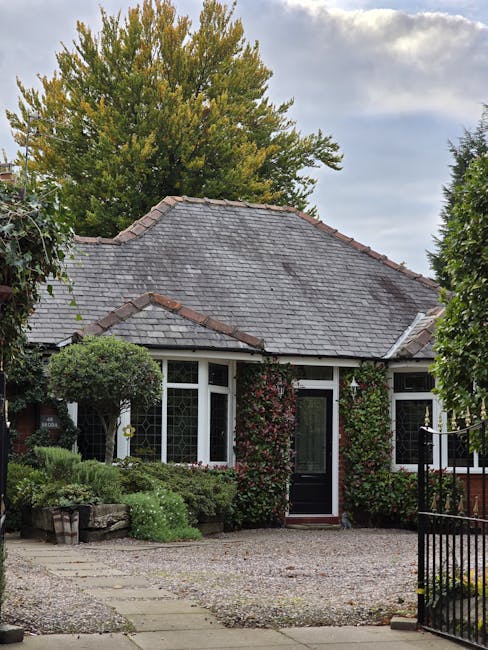
Berrylands gardener case study small front garden makeover KT5
A small front garden can do a lot of heavy lifting. It frames the house, softens hard lines, and quietly sets the tone before anyone even reaches the door. In this Berrylands gardener case study small front garden makeover KT5 guide, we look at how a compact, overlooked frontage can be turned into something neat, welcoming, and far easier to live with day to day. No fluff, no fantasy landscaping. Just practical thinking for a real KT5 space that needs to look good, handle local weather, and stay manageable.
Front gardens in Berrylands often have to balance several jobs at once: curb appeal, privacy, low maintenance, drainage, and a bit of personality. That is where a thoughtful redesign really pays off. You do not need a huge plot to make an impact. You need a clear plan, sensible planting, and a layout that respects the space you actually have. Let's get into it.
Why Berrylands gardener case study small front garden makeover KT5 Matters
A small front garden can be the difference between a house that feels slightly tired and one that feels cared for. In Berrylands, where many homes sit close to pavements, driveways, and boundary edges, the front garden is often visible from the street and from the living room window too. That means even a modest makeover can improve the whole feel of the property.
There is also a practical angle. Small front gardens are easy to underestimate. They can become weedy, patchy, overgrown, or awkwardly paved before you know it. One season of neglect and suddenly the space feels smaller than it is. A structured makeover helps restore order and creates a frontage that works through spring, summer, and the wetter months as well.
From an SEO point of view, this topic matters because people searching for a local gardener in KT5 usually want more than a generic service page. They want to know what a makeover actually involves, what can be done in a small space, and whether the result will be maintainable. A case study format helps because it shows process, not just promise.
And to be fair, front gardens are often the awkward bit of the property. The back garden gets the barbecue dreams. The front garden gets the bins, the frost, the boots, the car door opening, and the daily come-and-go. That is exactly why it deserves proper planning.
If you are also thinking about long-term upkeep, it can help to understand the wider maintenance picture as part of a front-garden refresh. Services like regular garden maintenance and lawn care are often what keep a makeover looking finished rather than temporary.
How Berrylands gardener case study small front garden makeover KT5 Works
The simplest way to think about a small front garden makeover is this: first you remove what is not helping, then you design around what remains, then you choose plants and materials that suit the scale. In a compact KT5 setting, every decision has to earn its place. One oversized shrub can dominate the whole frontage. One badly placed path can make the garden feel cramped. Conversely, one well-chosen edging line can make the area feel crisp and intentional.
A good gardener will usually start by assessing three things:
- Space and movement - how people walk in, out, and across the garden.
- Light and exposure - whether the area is sunny, shaded, windy, or sheltered.
- Maintenance tolerance - how much time the homeowner realistically wants to spend.
That last point gets overlooked all the time. A beautiful design that needs pruning every two weeks is not a good fit if the owner wants a calm, low-fuss frontage. Better to choose compact planting, durable surfaces, and simple structure from the start.
In many Berrylands front gardens, the work tends to fall into a few common phases:
- Clear the existing space and remove unwanted growth.
- Define the borders and hard edges.
- Improve the soil or sub-base if needed.
- Install surfaces, edging, or a central feature.
- Plant in layers for year-round shape and texture.
- Finish with mulch, gravel, or another tidy top dressing.
A small project like this does not need to be dramatic to be effective. In fact, restraint usually looks more expensive. Too many features in a tiny front garden can make it feel cluttered. A few strong choices are usually better.
For people planning the early stages of a makeover, the article on laying the groundwork for a garden makeover is a useful companion read, especially if you are trying to understand the order of operations before any planting starts.
Key Benefits and Practical Advantages
A well-designed small front garden does more than improve appearances. It can solve several everyday annoyances at once. That is why a makeover often feels more valuable than it first sounds.
Better street presence
Whether you are thinking of selling or simply want to enjoy pulling up to your own home, a front garden that looks ordered and healthy makes a real difference. Clean lines, healthy planting, and tidy edging create instant visual calm.
Less day-to-day upkeep
Most homeowners in KT5 are not looking for a garden that becomes a second job. With the right planting scheme and ground cover, maintenance becomes lighter. Weeding is simpler. Cutting back is more predictable. You can keep things neat without spending your Saturday morning muttering at a stubborn clump of bindweed.
More usable space
A front garden makeover can create a clear route to the door, a better place for planting, or a more defined buffer between public and private space. In small gardens, good design is often about removing confusion. Once the flow is better, the area feels bigger straight away.
Improved resilience
In a UK setting, the front garden has to cope with rain, wind, shade, and seasonal gaps. Choosing plants and materials that suit local conditions reduces failure. A garden that holds together through winter will always look more convincing in spring.
Higher enjoyment
This one is simple, but important. A tidy, planted front garden is pleasant to come home to. You notice it in the morning when the light catches the leaves, and again in the evening when the day has been a bit much. Small spaces can still give that lift.
For a more budget-conscious approach, it is worth reading about achieving a low-maintenance garden on a budget. The ideas translate well to compact front gardens where every pound and every square metre has to count.
Who This Is For and When It Makes Sense
This kind of makeover suits quite a wide range of homeowners, but it is especially useful if you recognise one of these situations:
- Your front garden looks tired, patchy, or overgrown.
- You want a cleaner look without ripping everything out.
- You need a low-maintenance solution that still feels attractive.
- The space is small and awkwardly shaped.
- You want to improve kerb appeal before selling or letting the property.
- You have poor soil, heavy shade, or windy exposure and need a planting plan that actually survives.
It also makes sense if your current setup is doing the opposite of what you want. For example, a dense shrub may be blocking the path, or the whole space may be dominated by bare gravel and weeds. In that case, a redesign is not indulgent. It is practical.
Some homeowners want a very soft, cottage-style front garden. Others prefer a sharp, modern frontage with clipped planting and clean edges. Both work, provided they are adapted to the scale of the site. The right approach is not about copying a style from a magazine. It is about matching the style to the house, the street, and your own tolerance for upkeep.
If you are still deciding whether to involve a professional, it can help to browse the wider gardening services available locally and compare that with what you would realistically be able to do yourself. Sometimes the answer is a mix of both.
Step-by-Step Guidance
Here is a practical way to approach a small front garden makeover in Berrylands. This is the part most people find useful, because it turns the job from vague to manageable.
1. Start with a proper look at the space
Walk the garden from the pavement to the front door. Notice the awkward corners, wet patches, shadows, and anything that feels overbearing. Take photos at different times of day. A space can look quite different at 8 a.m. than it does at 5 p.m., especially in winter.
2. Decide what must stay
Not everything needs to go. A healthy small tree, a boundary hedge, or a well-placed shrub may already be doing useful work. The trick is to keep the elements that support the design and remove the ones that fight it.
3. Clear weeds, litter, and dead growth
This sounds obvious, but it changes the atmosphere immediately. Once the clutter is gone, you can see the structure underneath. For ongoing weed pressure, it is worth using approaches from weed control tips that reduce regrowth instead of merely hiding it.
4. Fix borders and edges first
Edges are the backbone of a small front garden. Brick, metal, or stone edging creates a clear finish and keeps gravel, soil, and mulch from drifting around. Even a simple border can make the space feel more deliberate.
5. Choose a planting structure
A compact front garden usually benefits from layers: low ground cover at the front, mid-height planting in the middle, and one or two anchor plants for shape. This is where many makeovers either succeed or go a bit lopsided.
6. Keep the palette restrained
Three to five repeating plants often look better than a dozen different ones. Repetition gives rhythm. It also makes maintenance simpler, which, frankly, is half the battle.
7. Finish with a surface that suits the site
Mulch, gravel, paving, or a small lawn all have their place, but the choice should match drainage and use. In a front garden that gets plenty of foot traffic, hard-wearing surfaces are usually the more sensible option. If the frontage is mostly decorative, a planted or mulched finish may be more visually satisfying.
8. Build in the long-term care plan
A makeover should not end at installation. You need to know how often the garden will be tidied, pruned, or topped up. This is where hedge trimming Berrylands and other maintenance routines become part of the design rather than an afterthought.
As a general rule, if a layout looks great only when it is freshly installed, it needs revisiting. A well-planned garden should still look composed six months later.
Expert Tips for Better Results
In small front gardens, the little choices have a big visual effect. These are the details that tend to separate a decent result from a really polished one.
- Use repetition - repeating one or two plant types keeps the design calm.
- Choose evergreen structure - even a small amount of year-round greenery stops the space looking empty in winter.
- Mind the proportions - what looks modest in a back garden can feel huge in a narrow front garden.
- Leave breathing space - a crowded border makes everything look smaller.
- Think about the view from indoors - the front garden is not just for people walking past.
- Use contrast carefully - light gravel against darker planting can sharpen the look, but too much contrast becomes busy.
One of the best decisions you can make is choosing plants that do the job quietly. Ground covers, evergreen climbers, and compact shrubs often give more value than showy plants that disappear after a few weeks. If you want ideas, the article on ground covers for UK gardens is a solid place to start, and shade-tolerant evergreen climbers can help with awkward shaded corners.
Another small but important tip: do not treat winter as an afterthought. In Berrylands, exposed front gardens can take a battering from frost and damp. A little protective planning now can save a lot of replacing later. The guide to winter plant protection is worth a look if you want the planting to survive beyond the first cold snap.
And one more, slightly underrated point: make sure the garden still feels human. Not sterile. A front garden should be tidy, yes, but not so rigid that it loses warmth. A touch of softness is often what makes the whole thing feel finished.
Common Mistakes to Avoid
Small front gardens are unforgiving of bad choices. That is not a criticism; it is just the reality of scale. Here are the mistakes that come up again and again.
Over-planting
It is tempting to fill every gap. Resist that urge. Plants need space to mature, and a narrow frontage can quickly become crowded if everything is packed in at once.
Choosing plants for the label, not the site
Some plants are lovely in the right conditions and hopeless in the wrong ones. If your garden is windy, shady, or exposed, choose accordingly. A pretty plant that sulks every winter is not a win.
Ignoring drainage
Front gardens often collect rainwater near paths or walls. If the soil stays wet, roots struggle and the surface can look messy. Good drainage, even on a small scale, matters more than people think.
Using too many materials
Gravel, bark, paving, sleepers, stones, and decorative pots all have their place. But together they can make a tiny front garden look like a sample board. Pick a few materials and let them do the work.
Forgetting access
The path to the door has to stay practical. If bins, prams, shopping bags, or a bicycle need to pass through, the design must allow for that. A lovely layout that gets in the way of daily life is, let's face it, not very lovely for long.
Not planning maintenance
If the garden relies on constant fussing, it will stop looking good quickly. Think ahead to trimming, weeding, mulching, and seasonal cleanup. For many households, a straightforward care routine is more valuable than a highly ornate design.
Tools, Resources and Recommendations
A professional makeover uses proper tools, but even for a homeowner-led project, the basics are fairly straightforward. The key is to use tools that help you work cleanly and safely, not just quickly.
Useful tools and materials include:
- Spade and border fork for lifting and reshaping beds.
- Secateurs for cutting back dead or weak stems.
- Wheelbarrow or sturdy garden trug for clearing debris.
- String line or hose for marking straight edges.
- Sharp edging tool for crisp borders.
- Mulch or decorative gravel for the finish layer.
- Plant labels or a sketch plan if you are making several changes at once.
If you are new to gardening altogether, it may help to spend some time on the beginner gardening tips guide. It covers the basics in a way that feels accessible without talking down to you, which is refreshing, honestly.
For those who like to keep projects tidy and organised, the post on essential gardening tools is a good practical companion. If you are planning to support the makeover with a little seasonal planting, the article on annual versus perennial plants can help you choose which bits should refresh each year and which should carry the structure long term.
And if the project is leaning towards more than a simple tidy-up, broader services such as landscaping, fencing, or patio cleaning may also become relevant, especially where the front garden connects to hard surfaces or boundary elements.
Expert summary: In a small Berrylands front garden, the best results usually come from clear edges, a restrained planting palette, and a maintenance plan that matches real life. Beautiful is good. Beautiful and manageable is better.
Law, Compliance, Standards, or Best Practice
Front garden work usually does not involve heavy regulation, but there are still sensible standards and local responsibilities to keep in mind. It is always better to check carefully before altering access routes, boundaries, drainage, or shared elements.
For example, if any work affects a wall, fence, shared boundary, or drainage flow, it should be planned with care and discussed if needed. A gardener or landscaper should also work safely around tools, waste removal, lifting, and plant handling. In the UK, professional garden work is normally expected to follow good health and safety practice, use suitable PPE, and keep pathways clear during work.
It is also wise to think about accessibility. A front garden should not become difficult to enter, especially if the home has older residents, children, or regular deliveries. Non-slip surfaces, sensible step heights, and clear paths are all part of good practice, even if they are not the most glamorous part of the design.
Trustworthy businesses should be open about things like health and safety policy, insurance and safety, terms and conditions, and payment and security. Those pages do not make the garden prettier, obviously, but they do matter when you are deciding who to trust with the work.
If you are collecting quotes, it is also worth understanding the scope clearly. A good estimate should spell out what is included, what materials are being used, and what happens if the original plan changes once the work starts. That is just good practice. Nothing fancy, just tidy and transparent.
Options, Methods, or Comparison Table
There are several ways to approach a small front garden makeover. The right one depends on budget, time, and how much transformation you actually want. Here is a simple comparison to make the decision easier.
| Approach | Best for | Typical strengths | Possible drawbacks |
|---|---|---|---|
| Light refresh | Gardens that are mostly sound but untidy | Quick, affordable, minimal disruption | Won't solve deeper layout problems |
| Partial redesign | Spaces with poor borders, tired planting, or weak structure | Good balance of impact and cost | Needs more planning and plant choice |
| Full makeover | Gardens that are heavily overgrown or badly arranged | Most dramatic improvement, best long-term control | Higher cost and more time on site |
A light refresh might be enough if the layout is already decent and the main issue is weed growth or tired planting. A partial redesign suits many Berrylands homes because it keeps useful structure while improving the weak points. A full makeover makes sense if the whole frontage feels disconnected, cluttered, or difficult to maintain.
If privacy is one of your concerns, it may also help to consider planting that screens without becoming oppressive. The guide to fast-growing hedges for privacy can be useful, although in a small front garden you will still want to keep the size controlled. Privacy is good. A wall of leaves swallowing the path is not.
For homes with tricky exposure, especially where wind is a problem, the article on windy garden practical tips offers useful ideas. Small front gardens can be more exposed than they look, particularly if they sit on open corners or near road edges.
Case Study or Real-World Example
Here is a realistic example of the kind of small front garden makeover that works well in KT5. The setting is a modest Berrylands frontage with a narrow path, patchy planting, a tired gravel area, and a front aspect that looked a bit lost from the street. Not broken. Just underused.
The first step was a clear-out. Dead growth was removed, weeds were dealt with at root level, and the old mix of uneven materials was stripped back. Once that clutter went, the space looked almost twice as large. Funny how that happens. Not magic, just visibility.
Next came the structure. The border lines were sharpened so the eye could read the space more easily. A compact planting scheme was chosen to avoid crowding. Instead of trying to fit in lots of different species, the design used repeated plants with different textures: a low ground cover for softening edges, a couple of evergreen structure plants, and seasonal accents for interest.
The surface finish was kept simple. That decision mattered. In a small frontage, too many competing textures would have made the garden feel busy. Instead, the finish unified the space and gave the planting room to stand out.
The result was not flashy, and that was the point. The garden looked calm, tidy, and intentional. The path was easier to use, the frontage felt wider, and the homeowner had a clear maintenance routine rather than a long list of things that might go wrong. A small front garden does not need to shout. It just needs to be composed.
For people who want to push the design further, a few extra layers can be added later. Seasonal pots, a seating nook if space allows, or a clipped feature plant can all build on the initial structure. If that stage ever comes, the article on garden seating solutions is a handy source of ideas, even for smaller plots where seating needs to be compact and carefully placed.
Practical Checklist
Before starting a small front garden makeover in Berrylands, use this simple checklist to keep things grounded.
- Have I decided whether this is a refresh, partial redesign, or full makeover?
- Do I know which plants are staying and which are being removed?
- Is the path to the door still clear and practical?
- Have I checked sunlight, shade, wind, and drainage?
- Do I have a simple, repeatable plant palette?
- Have I chosen a finish that suits the level of use?
- Is there enough room for planting to mature?
- Will the space still look good in winter?
- Do I have a maintenance plan after installation?
- Have I thought about safety, access, and boundaries?
If children or pets use the frontage, it is also worth being cautious about plant selection and access. The guides on child-safe garden tips and dog-friendly planting can help you think that through before you commit to materials or species.
And if your main goal is to reduce future hassle, a design rooted in low-maintenance ideas is likely to make you happiest in the long run.
Get a free quote today and see how much you can save.
Conclusion
A small front garden in Berrylands can look better than its size suggests. That is the real lesson here. Good structure, sensible planting, and a clean finish can completely change the way a home feels from the street and from inside the house. It is not about cramming in more. It is about choosing better.
If you are planning a Berrylands gardener case study small front garden makeover KT5 project, the smartest move is to start with the problems the space actually has: weeds, weak borders, awkward access, poor proportions, or planting that no longer suits the conditions. Once those are addressed, the rest tends to fall into place. Slowly, then all at once sometimes.
And if you are unsure where to begin, that is perfectly normal. Front gardens are small, but the decisions are not always simple. A considered plan, a clear budget, and an eye for maintenance will take you much further than a rushed fix. A neat little frontage can feel surprisingly satisfying. Properly satisfying.
When it is done well, you notice it every time you come home. That is worth a lot.
Frequently Asked Questions
What is a Berrylands gardener case study small front garden makeover KT5?
It is a practical example of how a local gardener can transform a compact front garden in Berrylands, KT5, using design, planting, and maintenance choices that suit the space.
How much work does a small front garden makeover usually involve?
It depends on the condition of the garden. Some need only a tidy-up and replanting, while others need full clearing, border reshaping, new surfaces, and a complete planting plan.
Can a small front garden really improve kerb appeal?
Yes. In a small frontage, neat edges, healthy planting, and a clear layout make a big visual difference. The effect is often stronger than people expect.
What plants work best in a small front garden in Berrylands?
Compact shrubs, evergreen structure plants, ground cover, and shade-tolerant species often work well. The best choice depends on light, wind, soil, and how much maintenance you want.
Is low maintenance realistic for a front garden makeover?
Absolutely, if the design is planned properly. Low-maintenance does not mean no maintenance, but it can greatly reduce weeding, pruning, and frequent reworking.
Should I use gravel, mulch, or paving?
That depends on use and style. Gravel and mulch can work well in decorative areas, while paving is better where access and durability matter most. Many gardens use a mix.
How do I stop a small front garden from looking cluttered?
Use repetition, keep the plant palette limited, and leave some open space. Too many species, colours, or materials can make a small area feel busy very quickly.
Do I need a professional gardener or can I do it myself?
You can do a simpler refresh yourself if you are confident with clearing, edging, and planting. A professional is often helpful when the layout needs redesigning or the work is more technical.
What should I check before changing a front garden?
Check drainage, access, boundaries, sunlight, shade, and wind exposure. It is also wise to think ahead about maintenance and whether the design suits daily life.
How long does a front garden makeover take?
Simple refreshes can be completed quite quickly, while full redesigns take longer because they involve clearing, preparation, materials, and planting. Weather and site access can also affect timing.
Can a front garden makeover help with privacy?
Yes, within reason. Clipped hedging, evergreen planting, and careful layering can create a softer sense of enclosure without blocking the frontage entirely.
What is the biggest mistake people make with small front gardens?
Usually overfilling the space. People try to include too many features or plants, and the result feels crowded. In a small garden, restraint is often the cleverer choice.
How do I keep the garden looking good after the makeover?
Set a simple routine for weeding, trimming, and seasonal tidy-ups. A small amount of regular maintenance keeps the space looking finished and avoids bigger jobs later.
If you are ready to take the next step, look at the local service pages, compare the options, and think about the result you want a year from now, not just next week. That perspective helps more than people expect.